
Quick answer
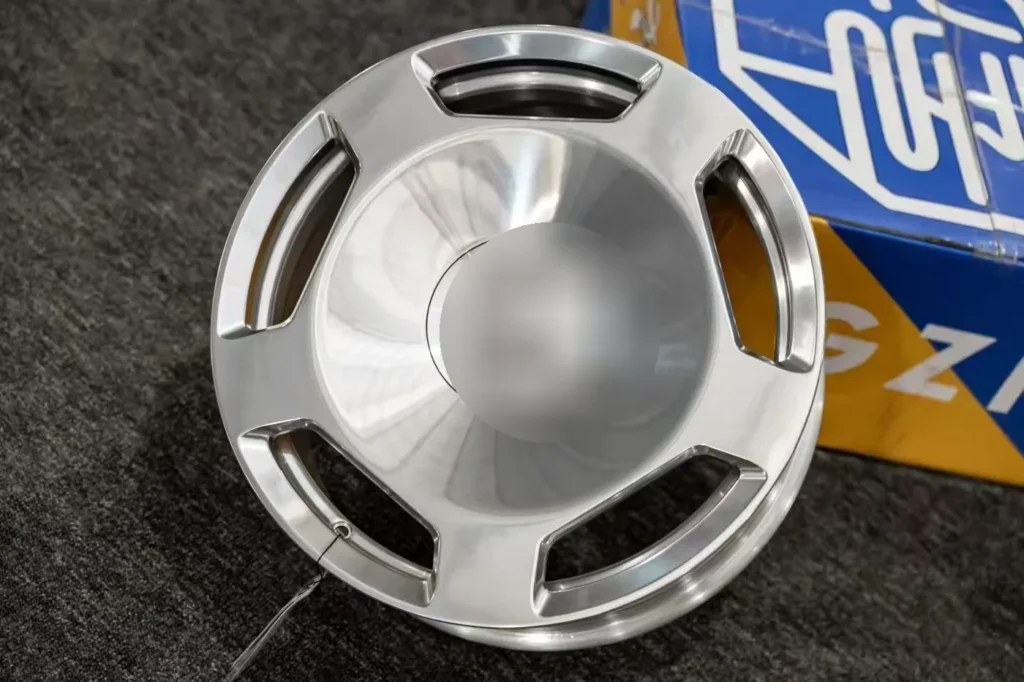
A 5-spoke wheel is clean, sporty, easy to clean and shows the brakes well. Multi-spoke designs look more detailed and spread loads across more spokes, but take longer to clean. Mesh wheels give a classic motorsport look with a busy face and the most cleaning effort. The best choice depends on vehicle style, brake size and how much upkeep you accept.
Spoke design is usually the first thing people notice about a wheel. It defines the character of the car, from clean and modern to classic motorsport. Yet the spoke layout also affects brake clearance, weight, cleaning time and how deep the face can look.
This guide compares the main spoke families, including 5-spoke, split-spoke, multi-spoke and mesh designs. It explains the practical trade-offs behind each one and how to brief a factory when you want a custom forged design that looks right and fits correctly.
Spoke Design Comparison
How the main wheel spoke styles compare on look, brakes and cleaning
| Design | Look | Cleaning |
|---|---|---|
| 5-spoke | Clean, sporty | Easy |
| Split-spoke | Sporty, detailed | Medium |
| Multi-spoke | Premium, busy | Medium to hard |
| Mesh | Classic motorsport | Hardest |
| Closed face | Modern, aero | Easy |
The Main Spoke Families
Most wheel faces fall into a handful of families. Within each one, designers change spoke width, twist, depth and window shape to create very different looks.
- 5-spoke: five straight or slightly curved spokes, simple and sporty
- Split-spoke: five or six spokes that divide into pairs near the rim
- Multi-spoke: seven to twenty or more thinner spokes, often directional
- Mesh: crossing spokes that form a lattice or cross-spoke pattern
- Closed or turbine face: flat or fan-like faces with small openings
Spoke count often matches the lug count for visual balance, though this is a styling choice rather than a rule. Six-spoke designs are popular on six-lug trucks and SUVs for the same reason.
5-Spoke Wheels: Pros and Cons
The 5-spoke layout is the most widely recognised sporty design. Large windows between the spokes show off the brake calipers and rotors, and the open face makes cleaning quick, since a brush can reach the barrel easily.
The trade-off is that each spoke carries a larger share of the load, so spokes are usually thicker or deeper to keep stiffness. On a large-diameter wheel, a plain 5-spoke can also look sparse, which is why many designers add a split or twist to fill the face. Spoke edges can also be chamfered, milled or given a contrasting machined face to add depth without making cleaning harder. For daily drivers that want an easy-care, timeless look, a 5-spoke is hard to beat.
Multi-Spoke and Split-Spoke Designs
Multi-spoke wheels spread loads across more, thinner spokes. That can produce a light, stiff structure when engineered well, and the detailed face suits luxury saloons, SUVs and large-diameter fitments where a simple design might look empty.
Split-spoke designs sit between the two. They keep the strong visual rhythm of a 5-spoke or 6-spoke but fill the face with more detail. Directional multi-spoke designs, where spokes sweep one way, look dynamic but need left-hand and right-hand versions, which adds complexity to a custom order.
The main downside is cleaning. More spokes mean more edges and tight corners where brake dust collects, and a soft detailing brush becomes essential. Thin spokes also leave less room for socket access around the lug nuts, so the design must keep enough clearance for the tools used to fit the wheel.
Mesh Wheels: Classic Look, More Upkeep
Mesh and cross-spoke wheels have strong roots in motorsport and classic tuning. They suit retro builds, lowered cars and anything aiming for a period look. In 2-piece and 3-piece construction, a mesh center combined with a polished lip creates a very recognisable style.
Mesh faces have many small openings, so they hide less of the brake than a solid face but more than a 5-spoke. They are also the most time-consuming to clean, and a high-gloss finish on a mesh design shows water spots readily. A satin or powder-coated finish can make upkeep easier. Our guide to custom wheel finish types compares the options.
Get a quick forged wheel quote
Send your vehicle, wheel size, PCD, offset, finish and quantity. We confirm fitment and reply within 24 hours.
Comparing Spoke Styles
| Design | Look | Brake visibility | Cleaning effort |
|---|---|---|---|
| 5-spoke | Clean, sporty | High | Low |
| Split-spoke | Sporty with detail | Medium to high | Medium |
| Multi-spoke | Detailed, premium | Medium | Medium to high |
| Mesh | Classic motorsport | Medium | High |
| Closed or turbine | Modern, aero | Low | Low |
Weight depends far more on engineering, material and construction than on spoke count alone. A well-designed forged multi-spoke can be lighter than a heavy 5-spoke, so judge designs on the final drawing rather than the style category.
Construction matters too. On a 2-piece or 3-piece wheel, the spoke center is a separate part bolted or joined to the barrel, which opens up more face profiles and lip depths. Monoblock wheels are machined as one piece and usually offer the cleanest look with fewer parts to maintain.
Brake Clearance and Spoke Shape
Large brake calipers are one of the biggest constraints on spoke design. Spokes that curve inward toward the hub, or that sit very deep, can hit the caliper even when the offset looks correct on paper.
To avoid this, the factory needs your caliper profile or a brake clearance template. The spoke back side can then be shaped to keep a safe gap. Changes in offset also move the spokes relative to the caliper, so check any offset change with our wheel offset calculator and confirm clearance on the drawing before approval.
Concavity and Spoke Depth
Concavity is the inward curve of the spokes from rim to center. Deep concavity gives an aggressive, three-dimensional look and is popular on rear wheels of staggered setups. It is not a free choice, though: the amount of concavity possible depends on wheel width, offset and brake size.
- Lower offsets and wider wheels allow deeper concavity
- Large calipers limit how far spokes can dip inward
- Multiple concavity levels let front and rear wheels match visually
For more detail, read our article on forged wheel concavity and spoke design.
Matching Spoke Style to Your Vehicle
A design that looks perfect in a render can feel wrong on the car. Before choosing, think about the vehicle’s lines, its size and how it will be used. A few general patterns help:
- Modern sports cars and coupes often suit clean 5-spoke or twisted split-spoke designs
- Large saloons and luxury SUVs carry detailed multi-spoke faces well, especially at bigger diameters
- Retro and lowered builds often pair naturally with mesh faces and stepped lips
- Trucks and off-road vehicles favour thick six-spoke or split six-spoke designs that look strong and clear large brakes
- Electric vehicles often benefit from flatter, more closed faces that help airflow
Look at the car from a low side angle and from the front three-quarter view, since that is how most people see it. Consider the body colour too, because a busy face in a contrasting finish draws much more attention than the same design in a tone close to the paint.
Get Custom Forged Wheels Built to Your Fitment
We design and build custom forged monoblock, 2-piece and 3-piece wheels with the spoke style you choose, engineered around your PCD, offset, center bore, width, diameter and brake clearance. Every design is confirmed on a drawing approved in writing, with custom finishes, center caps and logos available.
Wheel brands can develop their own spoke designs through our private label forged wheels program. When you are ready, request a quote by RFQ form, email or WhatsApp. We reply within 24 hours, and MOQ, price basis and lead-time start point are confirmed in the written quotation.
Frequently Asked Questions
Which spoke design is easiest to clean?
A 5-spoke or other open design with large windows is usually the easiest to clean, because a brush can reach the barrel and spoke sides quickly. Closed faces are also simple. Mesh and dense multi-spoke designs take the longest, since brake dust gathers in the many corners and narrow gaps between spokes.
Are multi-spoke wheels stronger than 5-spoke wheels?
Not automatically. Strength depends on the engineering, material, construction and the load rating the wheel is designed for. Multi-spoke designs spread loads over more spokes, while 5-spoke designs use thicker spokes. A properly engineered forged wheel of either style should meet the load requirement agreed for the vehicle.
Do spoke designs affect brake cooling?
Open designs let more air reach the brakes than closed faces, which can help on track or with heavy towing. For normal road driving, most spoke styles provide adequate airflow. If you use the car hard on track, discuss cooling needs and caliper size with the factory before choosing a closed design.
Does spoke count need to match lug count?
No. Matching spoke count to lug count is a styling tradition that often looks balanced, such as five spokes on a five-lug hub. Many attractive designs ignore it. What matters is that the spokes clear the lug nuts, socket access and brake caliper, which the drawing should confirm.
Can I get a custom spoke design for my brand?
Yes. Wheel brands and dealers can develop their own spoke designs, finishes and logos through a private label program. The factory turns your concept into an engineering drawing for written approval before production. MOQ, price basis and lead-time start point are then confirmed in the written quotation.